Climb Stronger: Urban Stairs, Weighted Packs, Real Mountain Endurance
Today we’re focusing on weighted pack workouts on urban stairs to build hiking endurance, turning city steps into reliable training grounds for bigger summits and longer trails. Expect practical guidance, motivating stories, and smart progressions that protect your knees, grow your lungs, and make every climb feel purposeful, safe, and surprisingly rewarding in the middle of your busy week.

Start Smart: Safety, Setup, and First Climbs

Great results begin with smart preparation. Before charging up flights, choose safe, well-lit stairs, warm your joints, and set a sensible pack load so your tendons adapt gradually. A measured start helps you build confidence, avoid setbacks, and turn each short city session into a sustainable step toward longer, stronger days on real trails.

Choose the Right Stairs

Select stairs with consistent riser height, sturdy handrails, non-slip surfaces, and predictable foot traffic, ideally in a location you can revisit often. Count steps per flight and flights per set so you can track vertical gain. Early mornings typically offer cooler temperatures, quieter surroundings, and better focus for controlled effort and deliberate technique.

Dial In Pack Weight

Begin with a modest load that feels almost easy, focusing on posture, balance, and secure foot placement before adding plates, water jugs, or sandbags. Most beginners find five to ten percent of bodyweight comfortable. Advance gradually, increasing either weight or total flights, not both simultaneously, to respect tissues and keep form sharp under fatigue.

Warm-Up That Protects Knees

Mobilize ankles, hips, and thoracic spine, then activate glutes and core with easy band walks, calf raises, and controlled step-ups. Start your first two flights deliberately slow. If anything pinches, pause, reassess foot placement, and shorten steps. Preserve knee comfort by emphasizing vertical posture, light landings, and smooth cadence before you increase intensity.
Progression You Can Feel
Add challenge step by step: increase total flights, extend session duration, or raise pack weight, but never all at once. Plan a lighter deload week every third or fourth week. Keep easy days genuinely easy to consolidate gains. This steady rhythm builds durable endurance that holds up in unpredictable backcountry terrain and weather.

Heart Rate and RPE

Use conversational pace for most sessions, keeping breath steady and sentences comfortable. On interval days, climb at a challenging but controlled effort, then recover fully on the descent. Heart-rate zones help, but perceived exertion works beautifully. The goal is repeatable quality, not all-out suffering, so you finish strong and ready to train again.

Vertical Gain Goals

Translate flights into vertical meters or feet to mirror hiking objectives. Estimate per-step rise, multiply by step count, and log totals weekly. Choose targets that stretch your comfort without crushing enthusiasm. Watching your cumulative vertical climb grow is deeply motivating, and it mirrors the exact demand your legs will face on mountain ascents.

Uphill Mechanics

Keep ribs stacked over hips, shoulders relaxed, and gaze forward. Drive from the hips, push the stair away, and let the heel plant softly rather than slapping down. Shorter steps preserve rhythm and balance with a loaded pack. When tired, reduce speed slightly and prioritize posture to maintain efficiency throughout longer climbs.

Downhill Control

Descending with a pack is an eccentric masterclass. Light, quick steps, quiet footfalls, and soft knees reduce stress. Resist leaning backward, which hammers joints. Instead, stay slightly forward and tall. If knees complain, slow down, use the rail for balance, and consider removing a little weight until your quads adapt to repeated descents.

Gear That Works As Hard As You Do

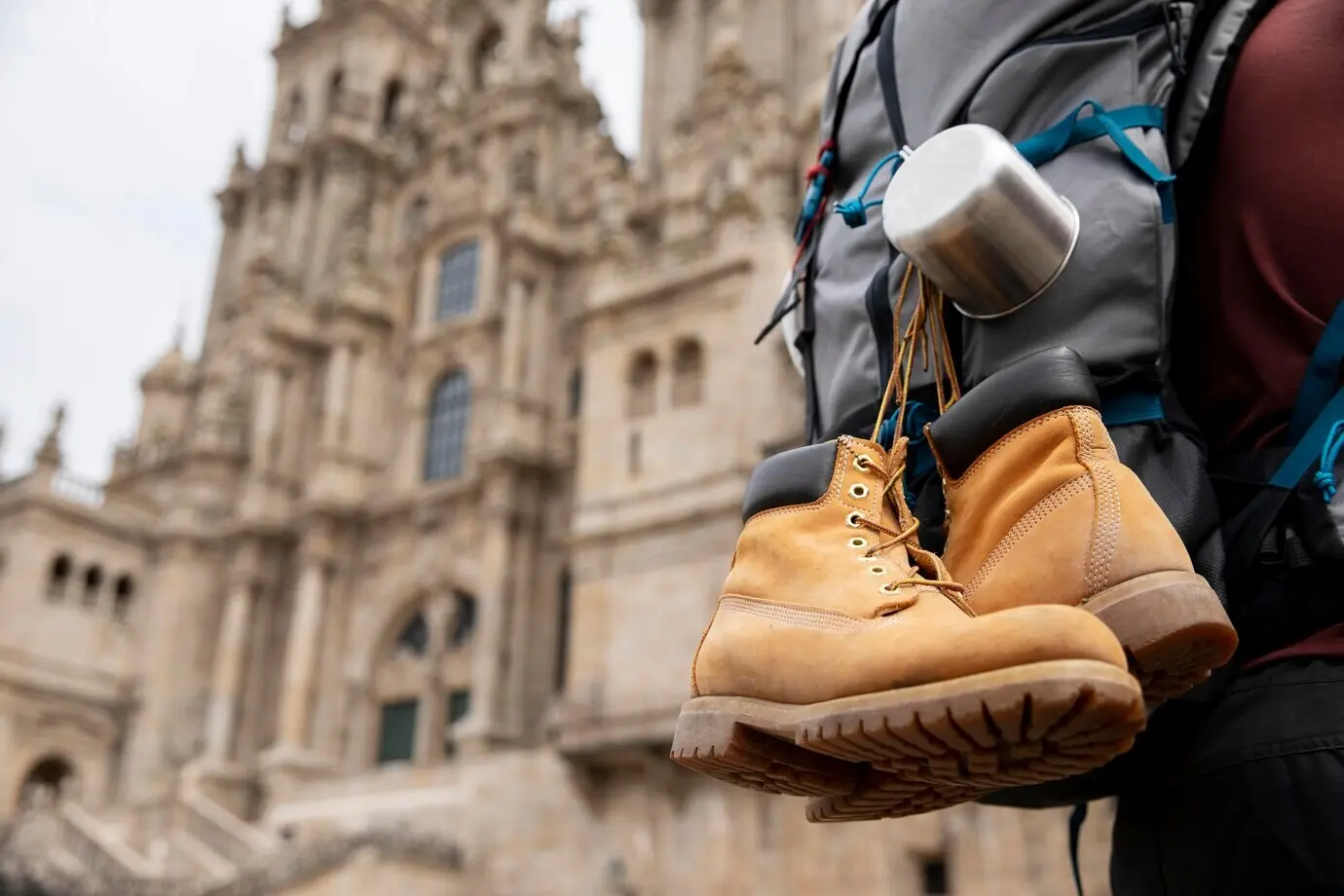
The right setup turns city stairs into a comfortable, repeatable training ground. A stable pack keeps weight close to your center, shoes provide grip and cushioning, and moisture-wicking socks prevent hotspots. Small touches—like gloves for chilly rails and a hydration flask—add comfort, helping every session feel dialed and distraction-free from start to finish.

Pack Fit and Load Stability

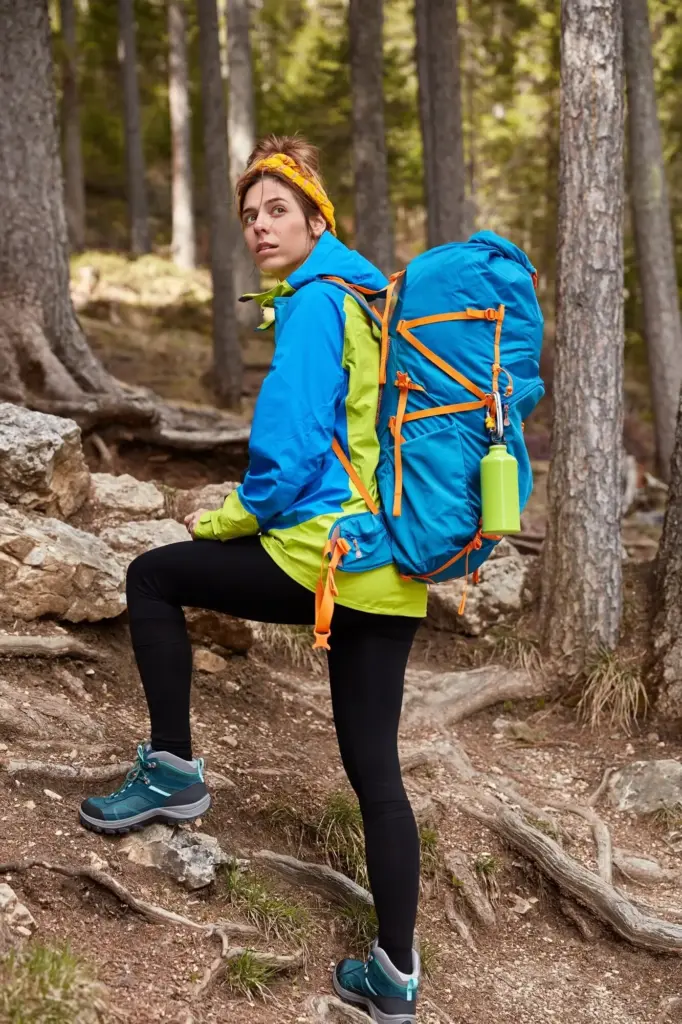
Choose a pack with a supportive hip belt, snug shoulder straps, and a sternum strap to reduce sway. Place heavier items close to the spine and mid-back height. Use towels or foam to prevent shifting. Stable load equals smoother footwork, better balance, and fewer surprises when transitioning from urban steps to trail switchbacks.

Footwear and Joint Care

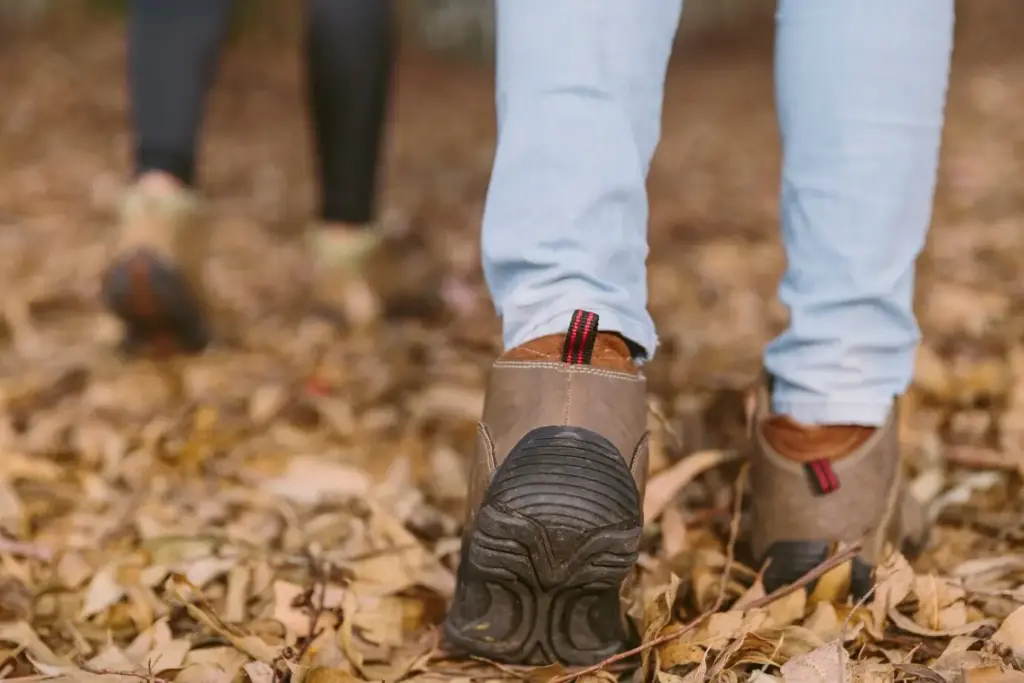
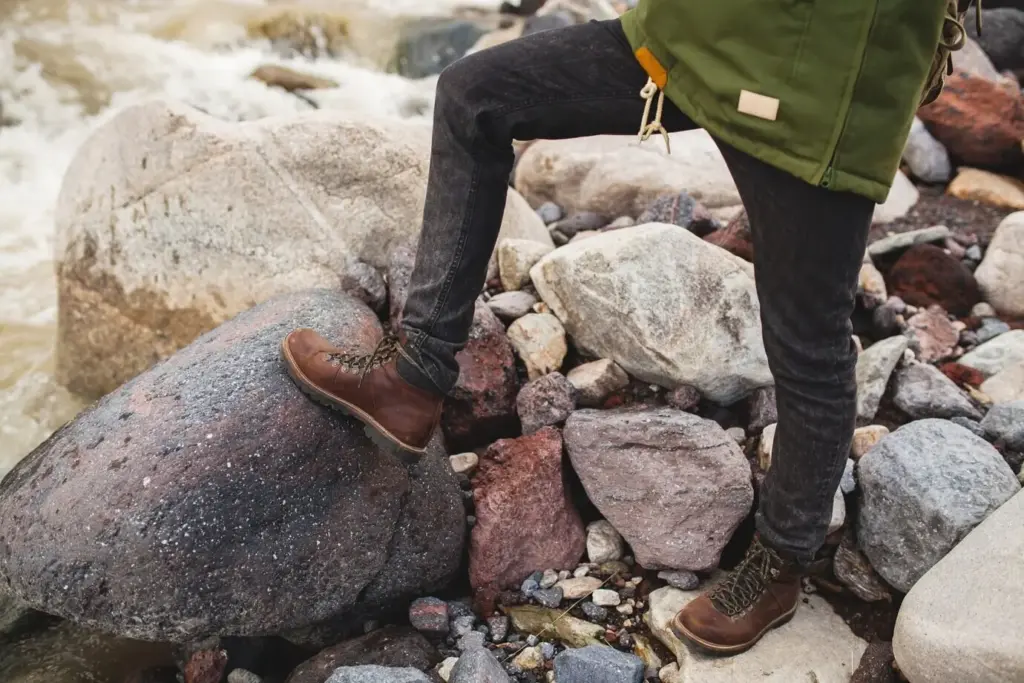
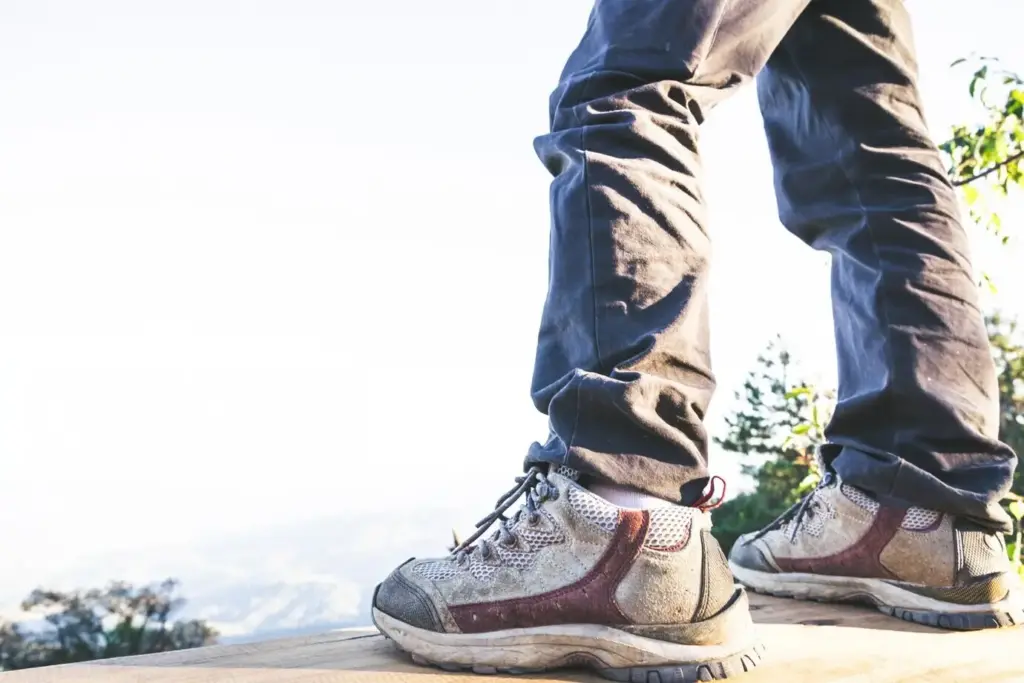
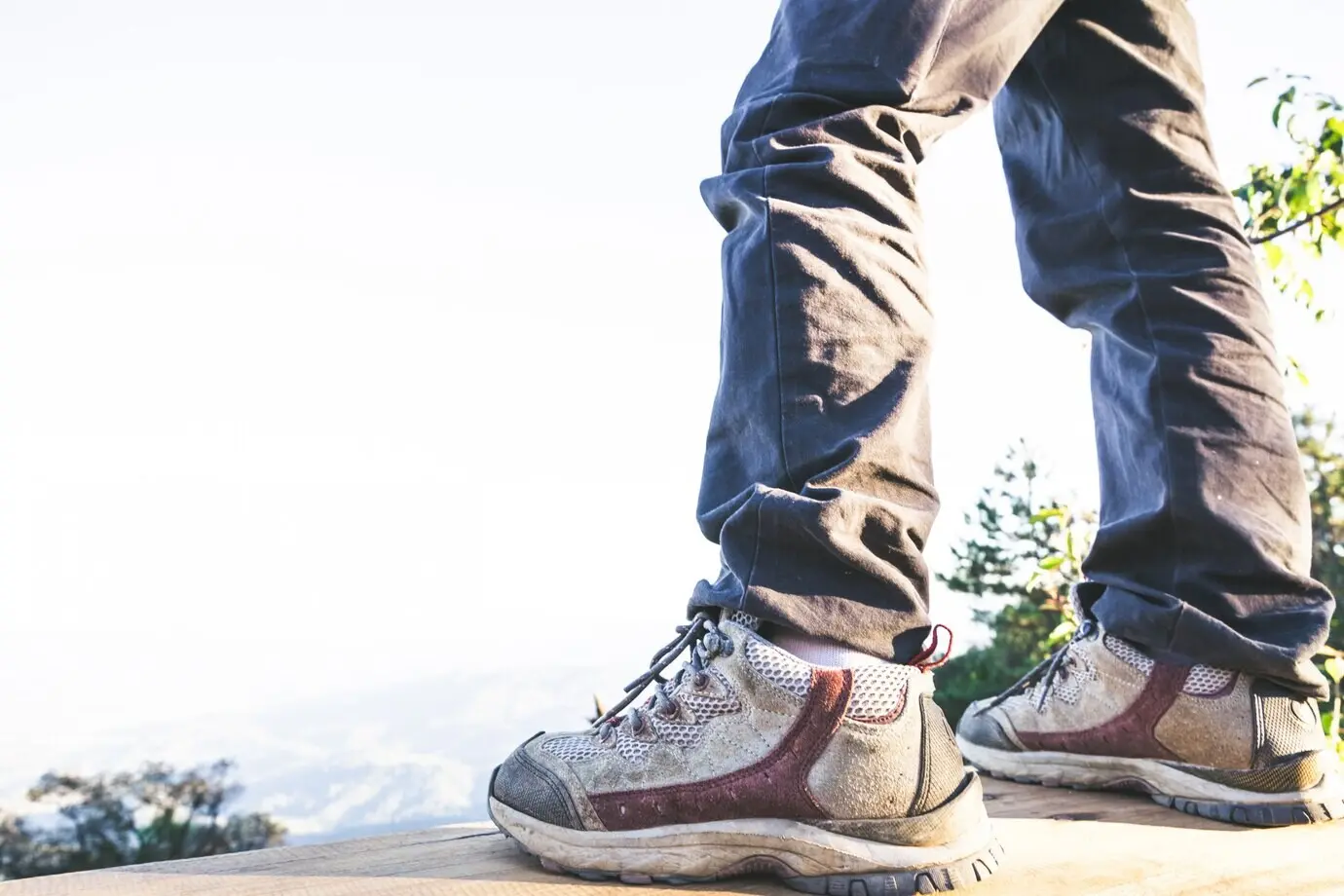
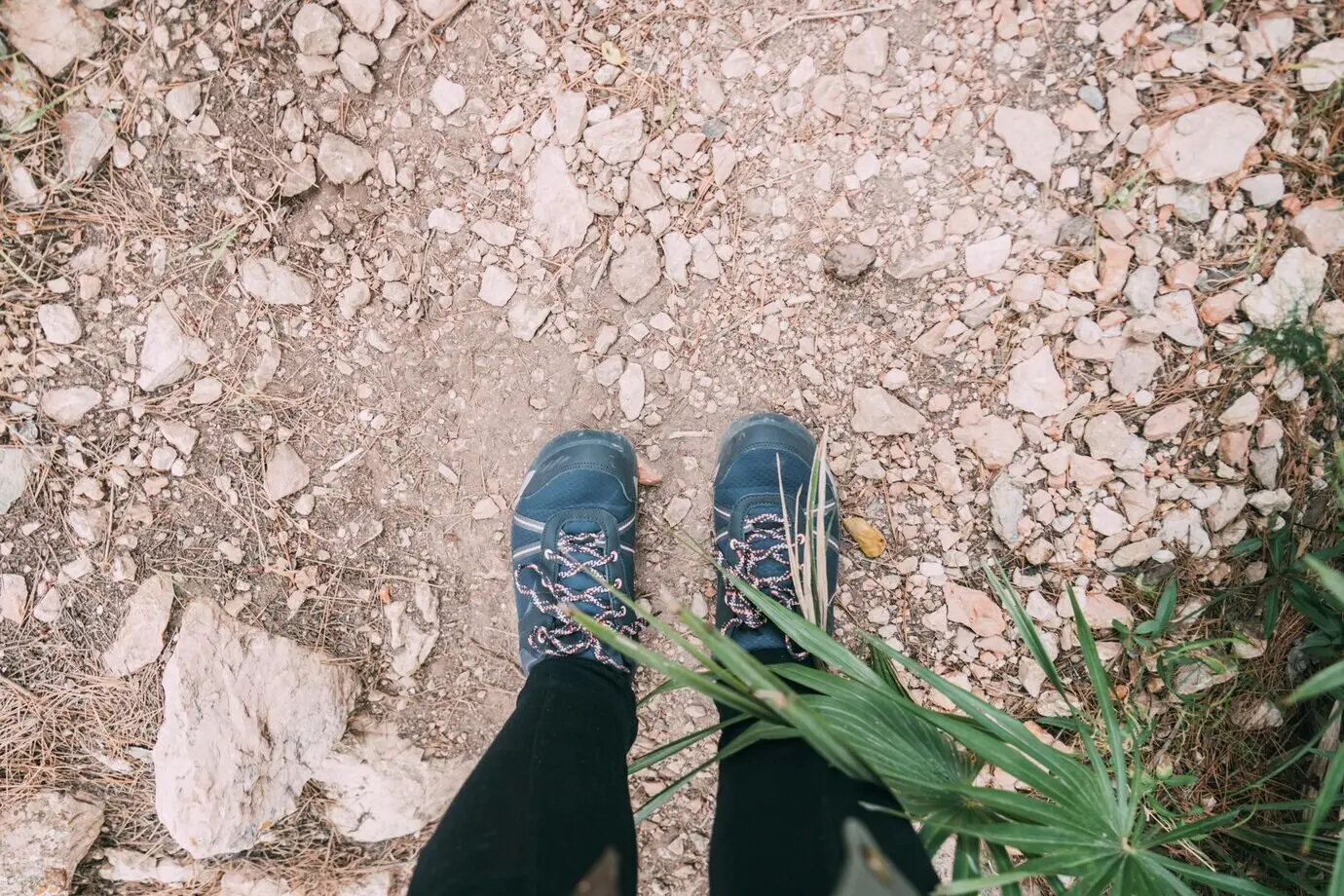
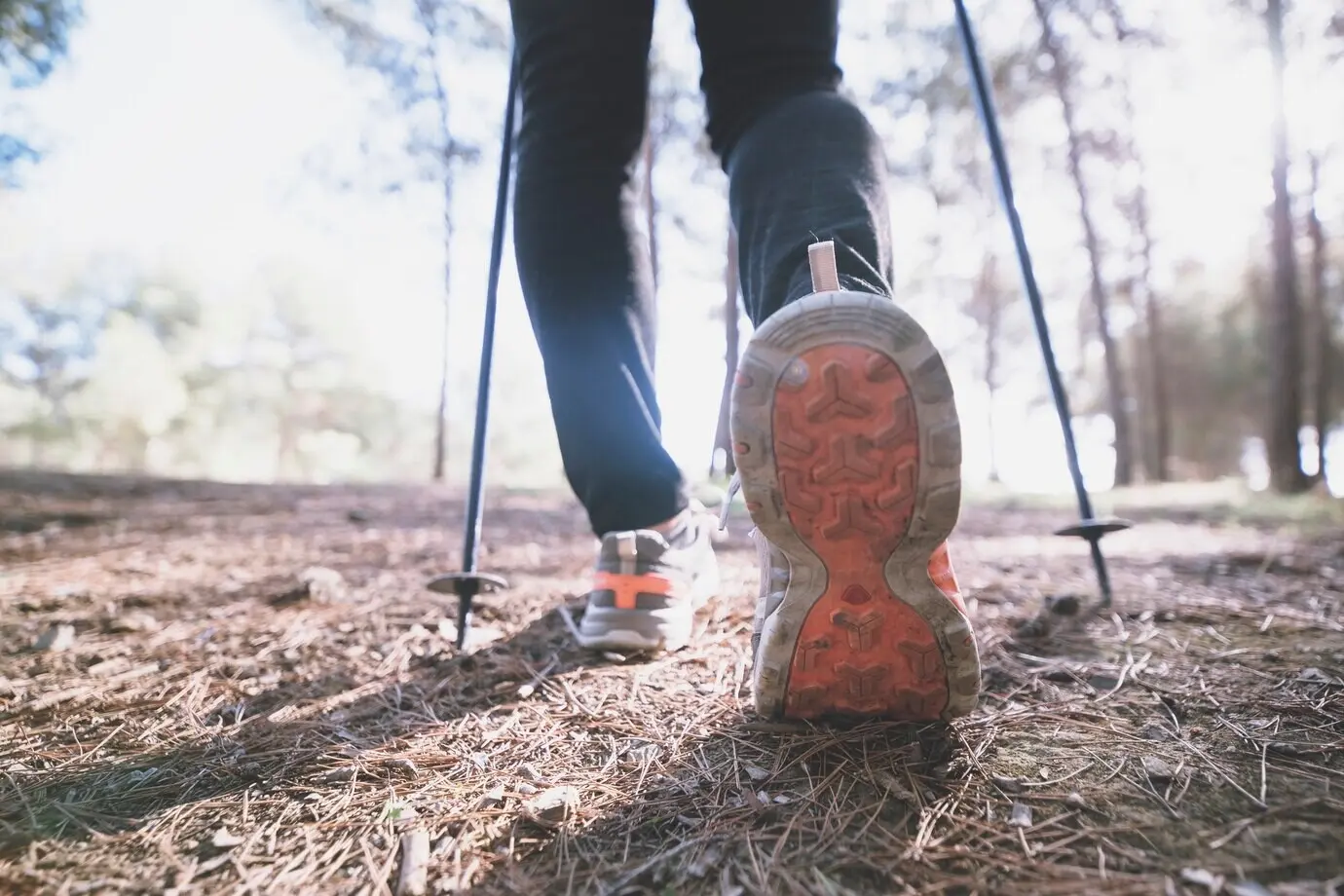
Grippy, cushioned shoes protect joints during repeated stair contacts. Rotate pairs to vary stress patterns and extend lifespan. Supportive insoles may help if arches fatigue. After sessions, give calves and tibialis some love with light massage and mobility. Healthy ankles and knees make added weight feel manageable and keep progress pleasantly consistent.

Workouts You Can Use Today

Practical sessions remove guesswork. Here are scalable formats you can repeat weekly, adjusting flights, time, or pack load as you grow stronger. Each workout includes a clear warm-up and cool-down, ensuring you leave energized instead of depleted, and ready to return for more confident climbs that translate beautifully to real hiking adventures.

Beginner Session

Warm up for ten minutes with mobility and easy unweighted climbs. Then perform six to eight easy flights with a very light pack, resting on descents. Finish with gentle calf raises and hip mobility. Keep the effort conversational and playful. The goal is comfort, rhythm, and confidence—not heroics that steal tomorrow’s enthusiasm.

Intermediate Grind

After a thorough warm-up, alternate three to four sets of moderate climbs—two to three flights steady—followed by controlled descent and a minute of standing recovery. Keep posture tall and cadence smooth. Add a little pack weight if form stays crisp. Cool down with slower steps, nasal breathing, and ankle mobility to lock in adaptations.

Advanced Elevation Simulation

Build a longer session with twenty to thirty minutes continuous climbing using short, repeatable bouts and brief descents. Maintain even effort across the entire block, then take a longer recovery. Repeat once if quality stays high. This mimics sustained uphill hiking, teaching your legs to deliver reliable power despite accumulating fatigue and sweat.

Strength, Mobility, and Recovery

Support work multiplies results. Strategic strength lifts reinforce joints, mobility unlocks smoother stride mechanics, and recovery practices turn training into lasting adaptation. A small weekly investment in accessory work keeps your pack climbs pain-free, adds resilience for uneven ground, and nourishes the consistency that turns months of practice into effortless mountain days.

Strength Moves That Protect You

Prioritize step-downs, split squats, hip hinges, calf raises, and tibialis work. Two brief sessions a week can transform downhill comfort and ankle stability. Keep reps controlled and ranges comfortable. Stronger supporting tissue means every stair session feels cleaner, and big trail days stop leaving your knees pleading for mercy halfway back to the car.

Mobility You’ll Actually Do

Target ankles, hips, and thoracic spine with short, reliable routines after training. Ankle dorsiflexion drills deepen knee tracking, hip openers enable glute power, and thoracic rotations keep posture tall under load. Ten focused minutes beats an hour you never start. Make it frictionless so mobility becomes the easy win you repeat consistently.

Recovery Habits That Stick

Sleep, gentle walking, and balanced meals turn hard climbs into durable improvements. Keep post-session cool-downs slow and quiet, hydrate well, and schedule at least one true rest day. If soreness spikes, reduce volume or weight, not your resolve. Consistency thrives when recovery is respected as training, not an optional extra you squeeze in.

Make Motivation Practical

Tie training to real moments: that sunrise ridge you want to reach without gasping, the hut you hope to reach before dinner, or a friend’s pace you want to match. Set alarms, lay out gear, and keep sessions short enough to feel doable. Momentum loves frictionless routines and simple, repeatable wins that stack up.

Find or Build Your Crew

Invite a colleague for lunchtime flights, join a local hiking group, or start a small challenge where friends share weekly vertical gained. Community brings laughter to hard sets and perspective during plateaus. If you train solo, post your progress or messages of encouragement, because someone out there might need exactly your spark today.

Track Wins and Celebrate

Log flights, time, and pack weight, plus a quick note about effort and mood. Watch trends rather than obsessing over single days. Celebrate streaks, pain-free descents, and steady breathing on intervals. Share milestones with us, subscribe for new workout ideas, and reply with questions so we can help shape your next climb.
Talveronixa
Privacy Overview

This website uses cookies so that we can provide you with the best user experience possible. Cookie information is stored in your browser and performs functions such as recognising you when you return to our website and helping our team to understand which sections of the website you find most interesting and useful.