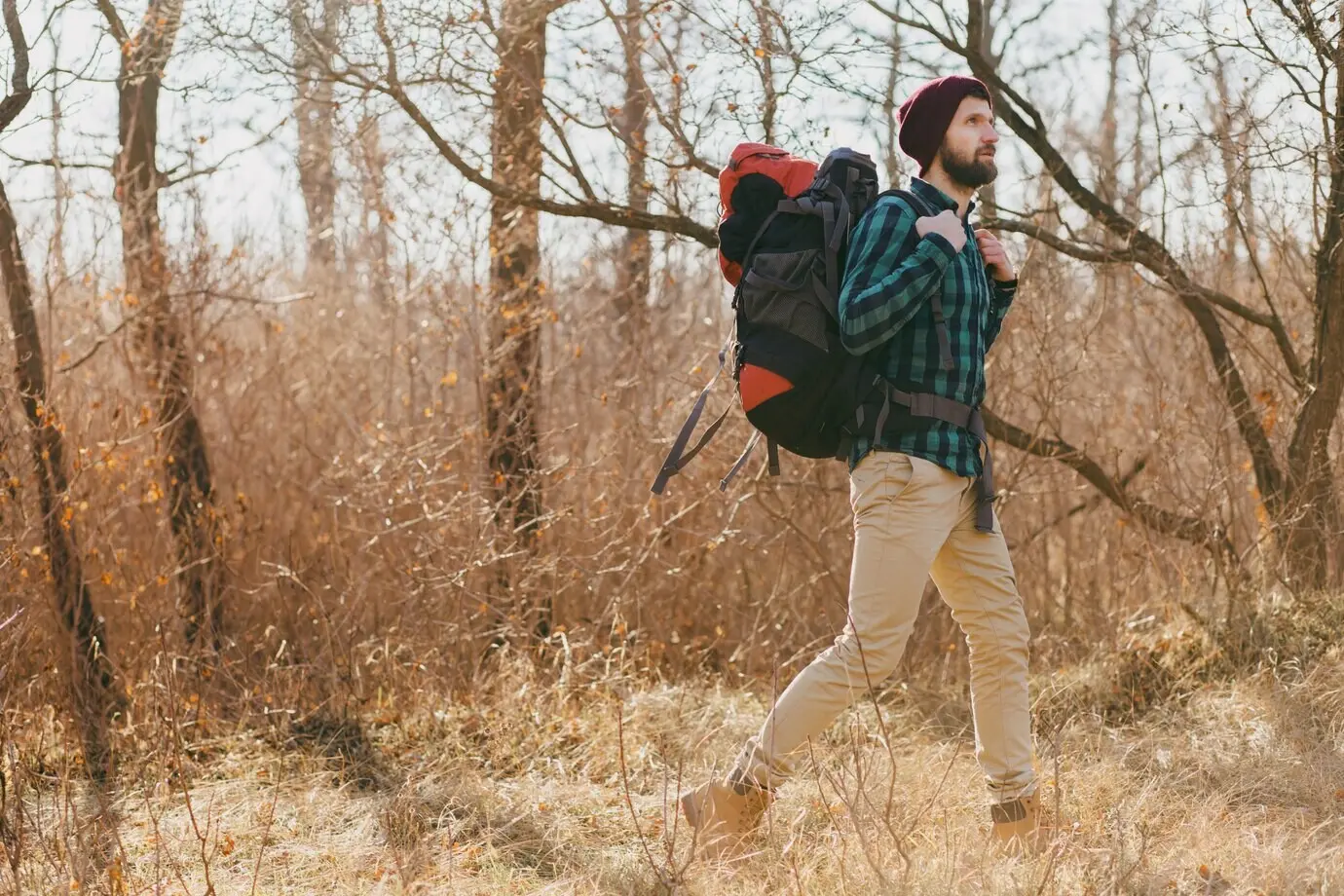
Climb Higher Without Leaving Town

Today we dive into Stairwell to Summit: Urban Hike Prep, turning city staircases, bridges, and high-rise flights into reliable vertical training that builds stamina, confidence, and mountain-ready legs. Expect practical planning tips, form cues, safety wisdom, and motivating stories. Share your favorite stair spots, subscribe for weekly urban circuits, and join a community that treats every landing like a scenic overlook, every handrail as a guide rope, and every floor climbed as real progress toward bigger, wilder horizons.

Mapping Vertical Routes in the Concrete Jungle
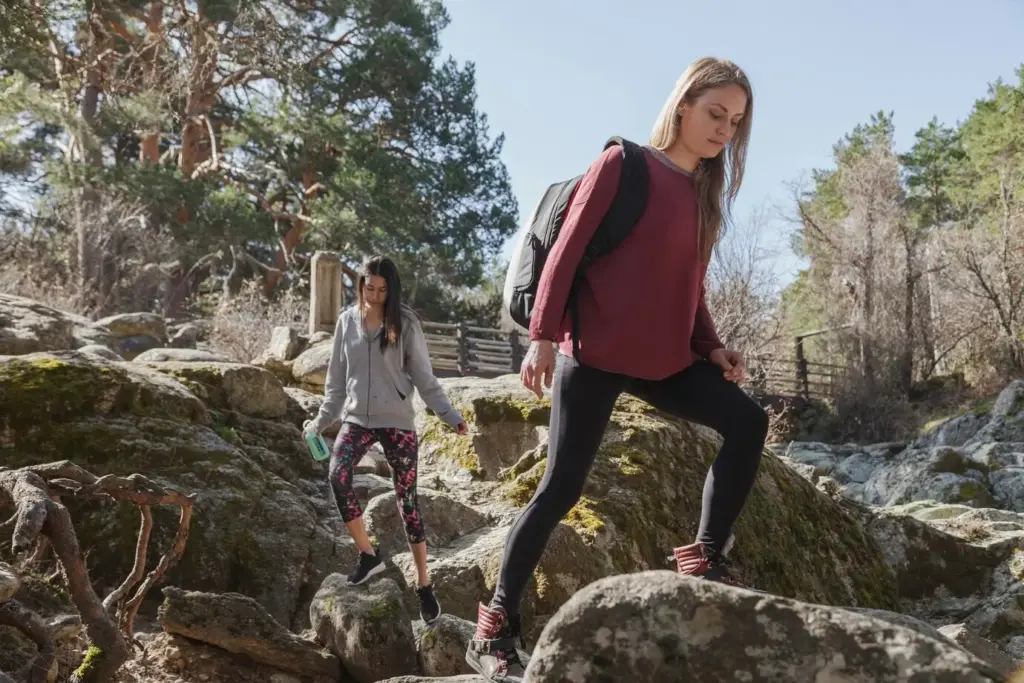
Great city ascents begin with thoughtful routes that stack short climbs into meaningful elevation, using stadium steps, transit hubs, parks with terraced paths, and multi-level garages. You will learn to check access hours, respect rules, and combine loops creatively. We’ll show how to translate stair counts into approximate vertical gain, connect safe crossings, and keep options ready for busy days or changing weather. Share your city section maps so others can build inspiring, legal, repeatable circuits nearby.

Shoes That Grip, Cushion, and Breathe
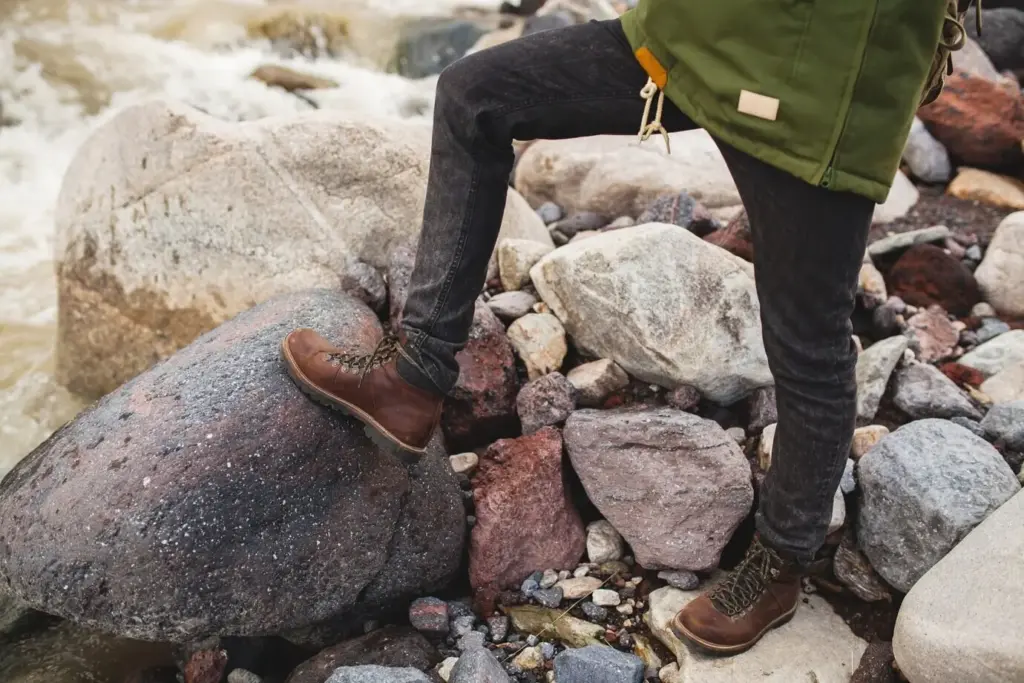
Look for outsoles that hold on painted steps and polished landings, with lugs shallow enough for quick turnover yet confident on damp surfaces. Moderate cushioning protects joints during descents, while a secure heel counter prevents wobble on tight turns. Breathable mesh helps in heated stairwells, and a gusseted tongue limits lace pressure. Rotate pairs to dry thoroughly, log mileage, and retire them before grip fades. Your feet vote on every climb; let comfort and traction win consistently.

Smart Pack Setup for Fluids and Essentials
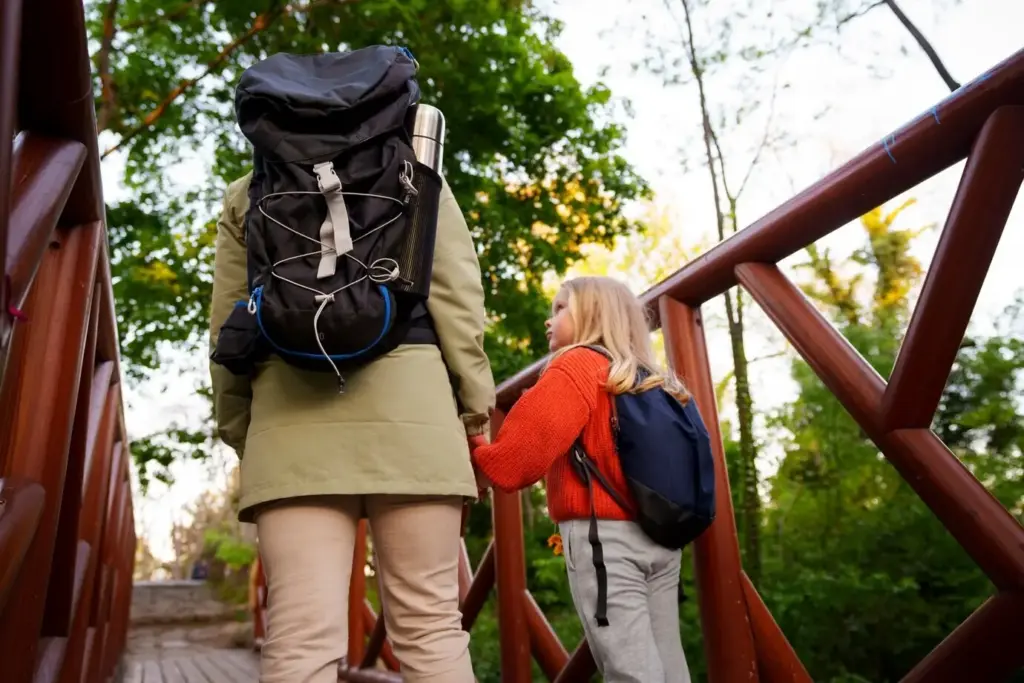
Carry just enough to stay safe and steady. A low-profile vest or waist pack keeps water, a small snack, and phone secure without sloshing. Distribute weight high and close to your spine to preserve posture on climbs. Include a folded windbreaker for rooftop breezes, a whistle for emergencies, and ID with a contact. If training longer, stash a spare bottle at your loop’s midpoint. Share packing photos and lists so newcomers see how light, streamlined setups can feel effortless.

Small Add-ons That Make Big Differences
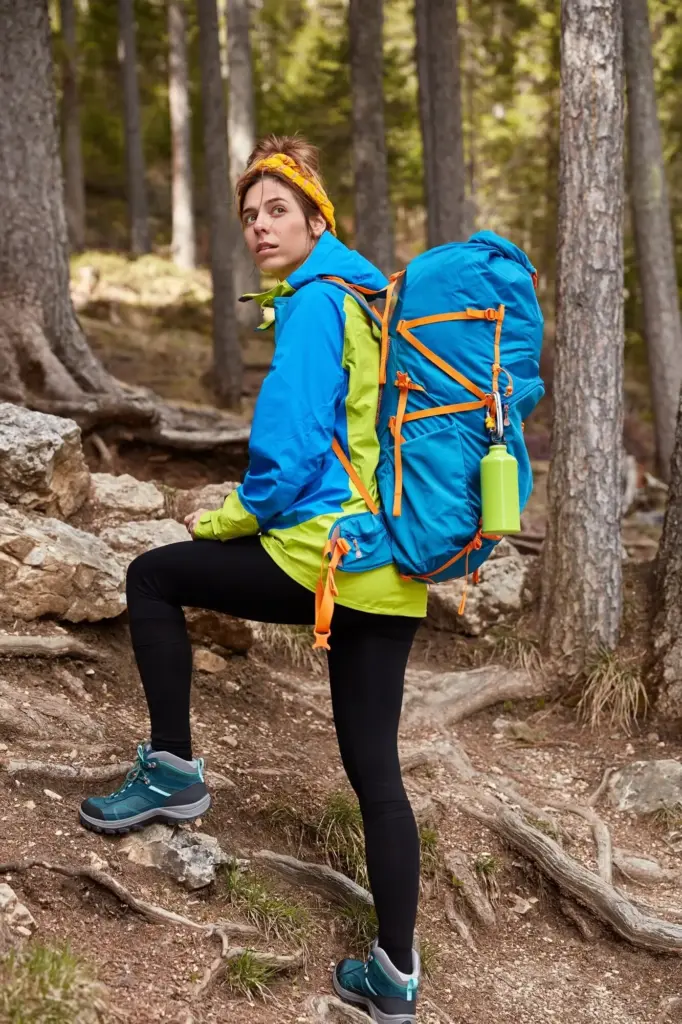
Traction strips for wet forecasts, a microfiber cloth for dusty rails, and thin gloves for cool mornings can transform comfort. Consider a tiny headlamp for dim corners and a collapsible cup for quick fountain refills. A simple resistance band warms hips before big sessions, and body glide prevents chafing on humid days. Keep a few adhesive bandages and alcohol wipes in a snack-size bag. Minimal extras, carried with intention, prevent small annoyances from becoming session-ending frustrations or safety concerns.

Technique: Climb Efficiently, Descend Safely
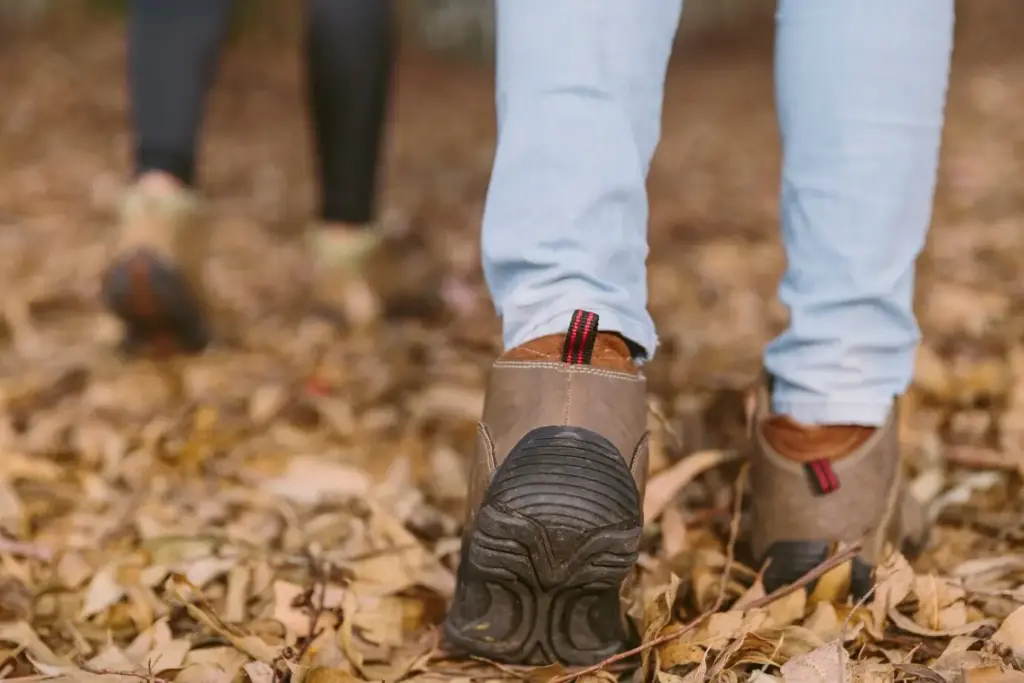
Efficiency is free speed. Align hips over ankles, stack ribs over hips, and keep eyes forward so each step channels power instead of wobble. Use the rail lightly for balance, not pulling. Short, quick steps save energy uphill, while controlled foot placements protect knees on descents. Practice breathing rhythms that match cadence to calm effort. Share before-and-after videos, compare cues that click, and celebrate small form wins that accumulate into big confidence on any staircase, bridge ramp, or terrace.

Four-Week Progression You Can Actually Stick With

Week one focuses on learning routes, easy pacing, and form. Week two adds volume with a gentle weekend long climb. Week three introduces intervals and a strength circuit afterward. Week four consolidates, with slightly less volume but crisper efforts. Aim for ten to fifteen percent increases, prioritizing feel over numbers. Track total steps and approximate vertical gain to confirm progress. If life interrupts, repeat the current week rather than forcing jumps. Consistency wins, and small, steady increments become mountain-worthy durability.

Intervals, Tempos, and Fun Challenges

Add eight-by-one-flight surges with walk-down recoveries, or three-by-five-minute tempos threading multiple staircases before an easy jog between sites. Try landmark games: accelerate between murals, pause for calf raises at the statue, then resume a relaxed climb. Create a scavenger hunt—find five different handrail designs while holding steady cadence. Post your favorite challenges and invite others to attempt them. Fun formats reduce dread, improve adherence, and teach pacing intuitively, making tough work feel adventurous instead of intimidating or monotonous.

Strength Moves That Support Every Step

Complement climbs with split squats, step-downs, calf raises, and dead bugs to stabilize hips and protect knees. Two short sessions weekly are enough when done consistently. Emphasize eccentric control for descents, adding slow step-downs with a pause. Include ankle mobility and foot-strength drills for better grip and proprioception. Keep circuits compact so they fit busy evenings. Share your go-to exercises and progressions, including resistance band variations. Strong foundations turn narrow landings and long flights into smooth, confident, repeatable efforts that feel sustainable.

Safety, Etiquette, and Access Wisdom

Training in shared spaces requires care. Learn how fire codes classify stairwells, why some doors alarm, and where public access is welcomed. Choose low-traffic hours, yield to workers and residents, and use headphones responsibly. Keep volume low, communicate clearly, and leave spaces cleaner than you found them. Have a simple emergency plan and a fallback loop if access changes unexpectedly. When communities notice respectful athletes, doors open, conversations start, and sustainable routines flourish across neighborhoods that rely on trust.

Navigating Security and Respecting Spaces

Before entering, read posted signs and follow staff directions. If a door is alarmed, do not test it. Prefer open, publicly accessible stairs or obtain permission for private buildings, such as campuses during designated hours. Avoid blocking landings, and never leave gear unattended. Offer a friendly greeting to custodians and security teams; relationships matter. Share clear route notes so others avoid restricted areas unknowingly. Respect earns longevity. A single considerate interaction today can preserve community access for countless workouts ahead.

Emergency Readiness and Personal Safety
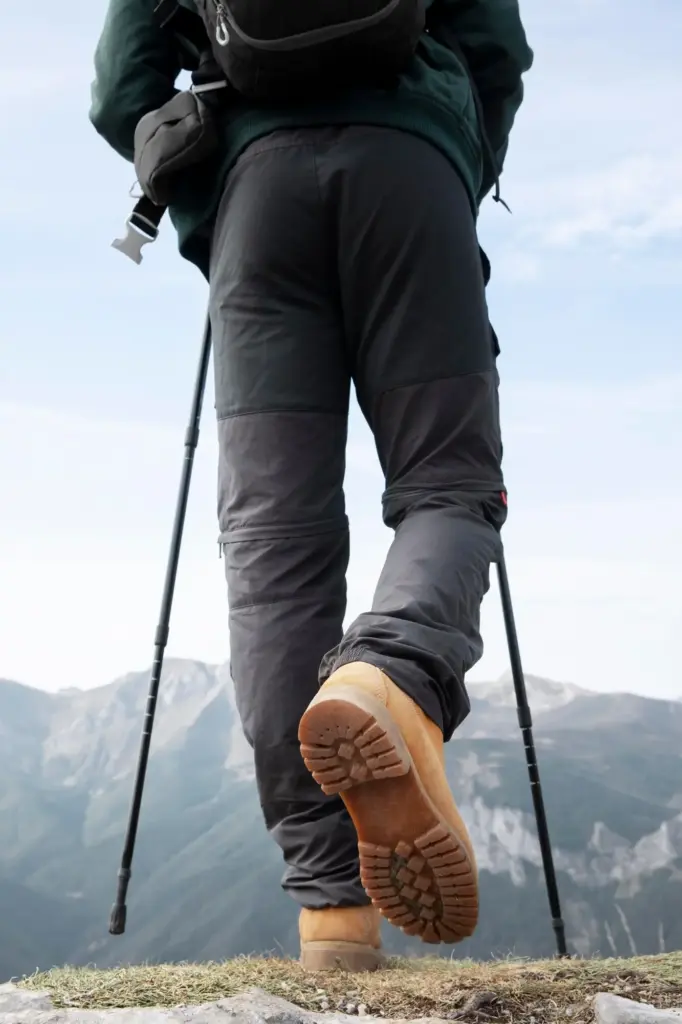
Carry ID, a charged phone, and a small whistle. Share your route and expected finish time with a friend. Note exits, lighting, and security desks before starting hard intervals. If alone, keep music off or at minimal volume for awareness. On slick days, slow down and shorten steps. If something feels off, trust your instincts and relocate. Save a rideshare pickup point and emergency numbers. Preparation isn’t paranoia; it’s freedom, granting confidence to push while staying ready for surprises or setbacks.

Hydration and Salt for Vertical Workouts
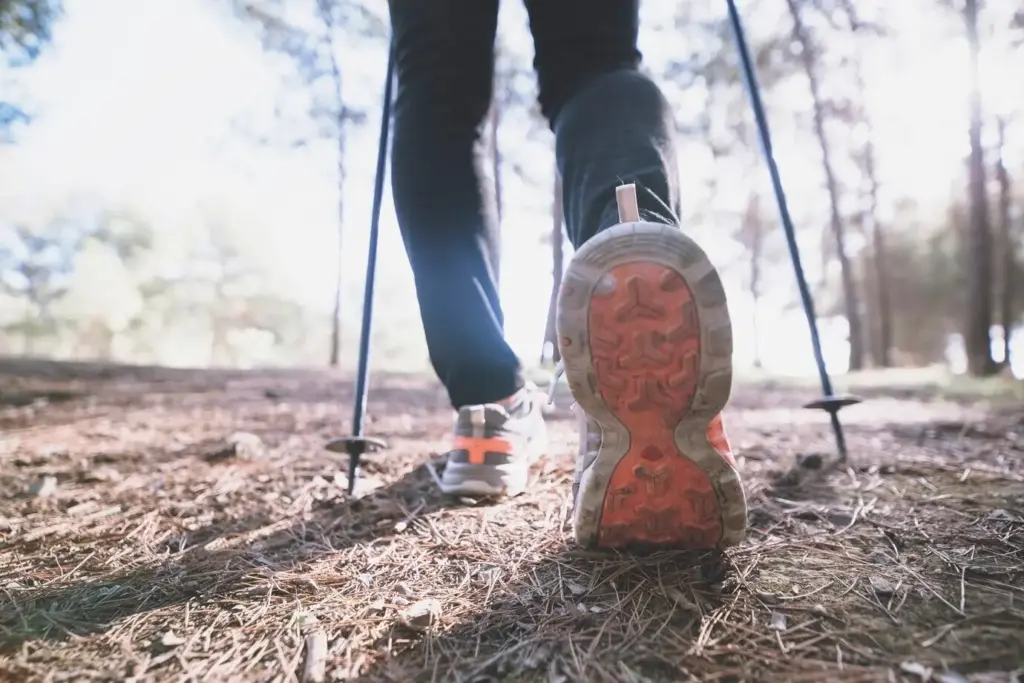
Even brief sessions can feel surprisingly warm in enclosed stairwells. Sip steadily, using a small flask to avoid heavy slosh. Add electrolytes on hotter days or longer circuits to replace sweat losses. Test tolerance during training, not on event day. Snack on a few salty crackers or a banana for quick energy. Note restroom access along your loop. Hydrated muscles contract more efficiently, helping cadence stay snappy and mind clear, transforming each ascent from a grind into a crisp, confident climb.

Recovery Rituals That Speed Adaptation
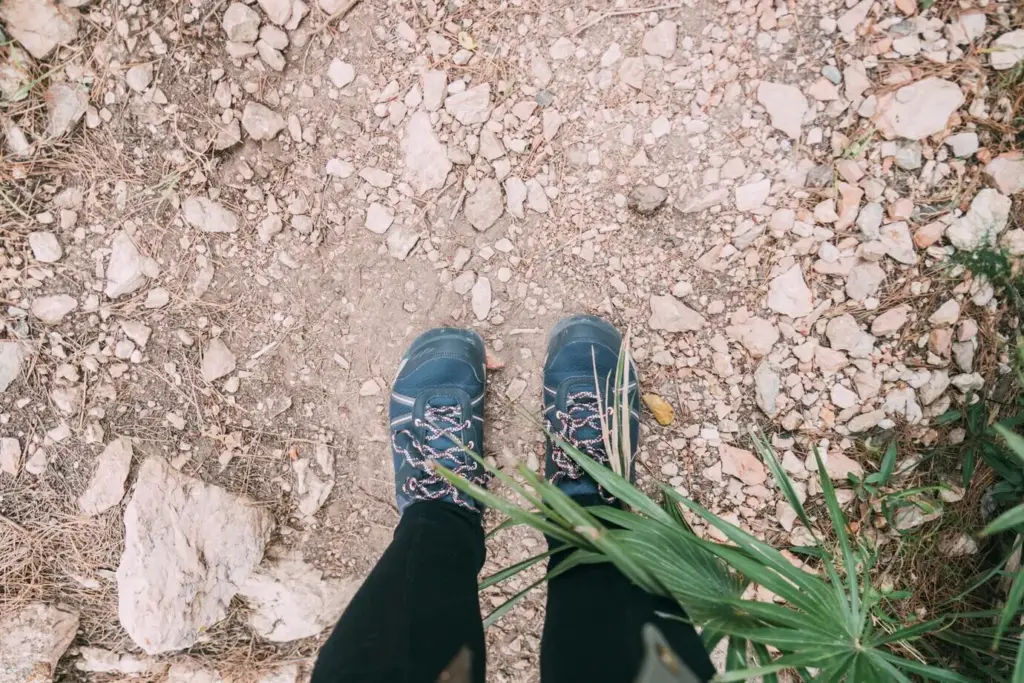
Post-session, walk a few blocks to flush legs, then perform gentle calf and quad mobility. A quick protein-rich snack within an hour helps repair muscle, while a five-minute foot massage resets overworked arches. Prioritize consistent sleep, even if it means shorter social scrolling. Two lighter days weekly keep tendons happy. Track morning readiness—resting heart rate, mood, and stiffness—to guide training tweaks. Thoughtful recovery elevates the next climb, proving progress happens between flights as much as during them.
Talveronixa
Privacy Overview

This website uses cookies so that we can provide you with the best user experience possible. Cookie information is stored in your browser and performs functions such as recognising you when you return to our website and helping our team to understand which sections of the website you find most interesting and useful.