Urban Adventures in Elevation

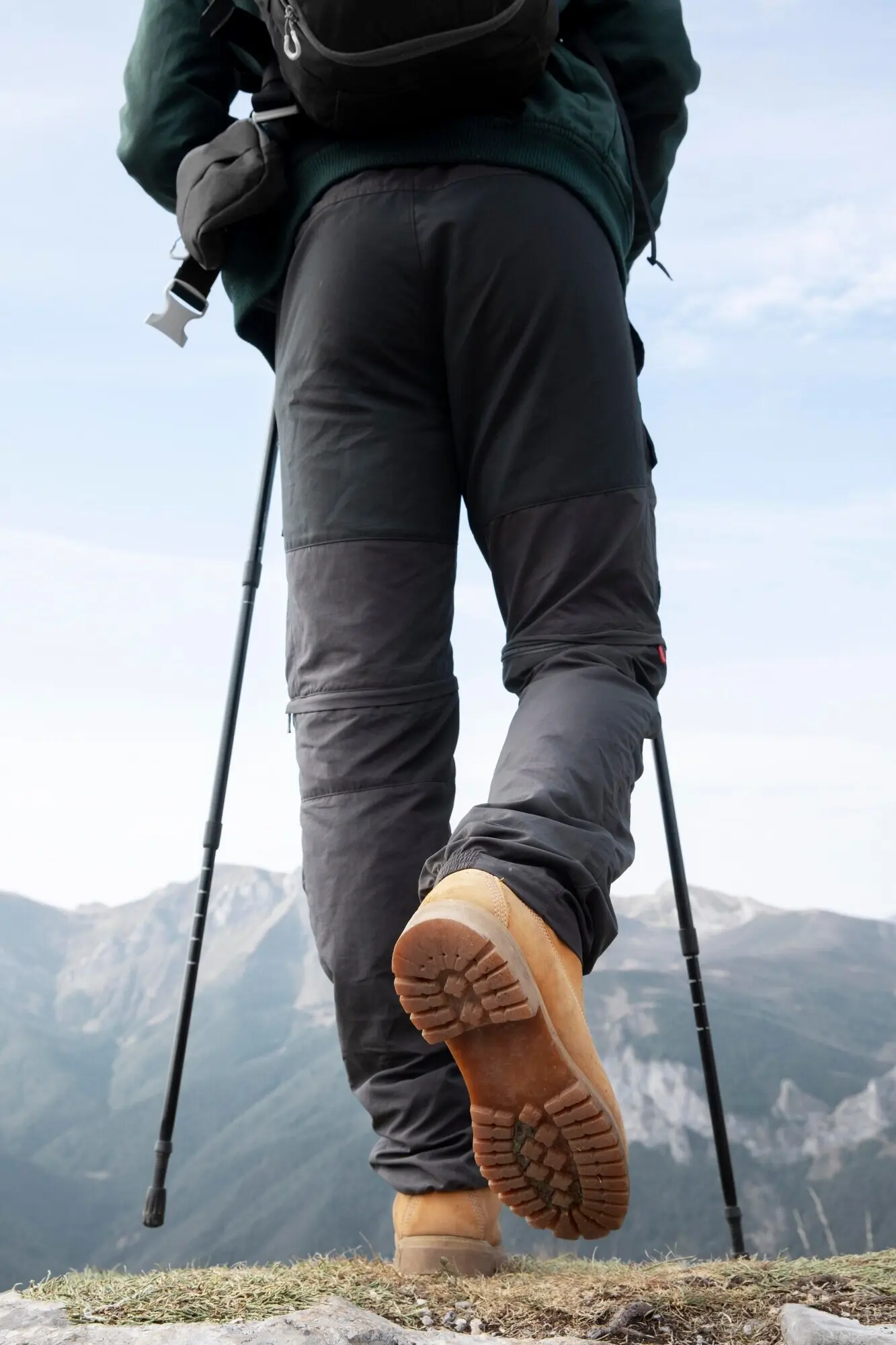
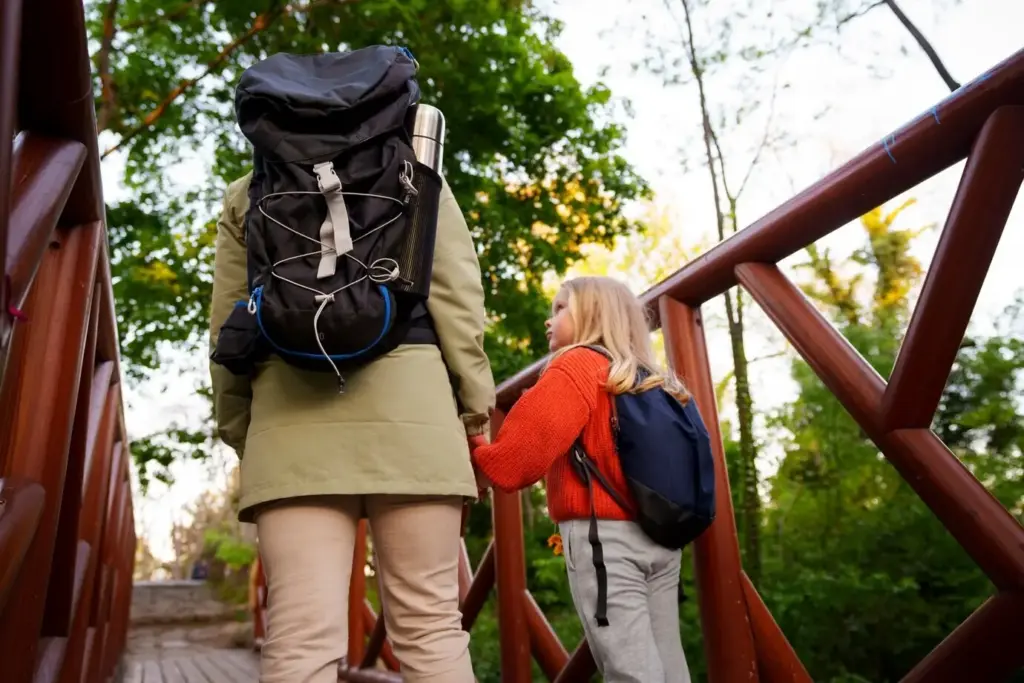
Let’s explore simulating trail elevation in the city by turning parking garages, parks, and gentle urban hills into dynamic climbs. We will translate switchbacks into ramp repetitions, link stairs into sustained vertical efforts, and design playful sessions that echo mountain trails without leaving your neighborhood. Expect practical tips, inspiring stories, and safe, creative strategies that bring vertical challenge into everyday streets, rooftops, bridges, and green spaces, helping you build strength, confidence, and stamina without waiting for a distant mountain weekend.

Finding Vertical in Flat Neighborhoods

Even in seemingly flat districts, hidden gradients wait behind familiar corners. Multi-level parking garages offer steady ramps, riverfront parks conceal rolling berms, and pedestrian bridges provide quick punches of elevation that add up. With a curious eye and a playful plan, you can stitch these pieces into a continuous ascent, practicing pacing, breathing, and footwork that mirror trail climbing. The secret lies in connecting micro-climbs into meaningful, rhythmic sequences that challenge your legs and focus.

Climbing Multi-Story Parking Ramps

Treat each spiral as a winding hillside, pacing yourself from level to level. Use the change in slope at turns as natural intervals, easing slightly on flatter sections before pressing gently on steeper approaches to the next floor. If walking or running, stay right and be highly visible; if riding, obey posted rules and give way generously. Record laps, track elapsed time, and celebrate consistent, controlled efforts that translate perfectly to real switchbacks.

Turning Park Stairs into Sustained Gain

Long staircases mimic rugged stone steps on mountain paths, teaching precise foot placement, cadence control, and posture. String multiple stair sets together with grass or gravel connectors to maintain continuous climbing. Alternate single-step and double-step patterns to target different muscle groups while protecting knees. Focus your gaze a few steps ahead, breathe deliberately, and use handrails only for balance during descents. Over time, your coordination, power, and confidence on technical ascents will grow noticeably.

Linking Micro-Hills, Bridges, and Embankments

Short urban rises become powerful when chained creatively. A bridge approach, a landscaped knoll, and a levee path can form a loop with repeatable elevation. Mark landmarks as checkpoints to pace your intensity and ensure steady progress. Vary directions to change wind exposure and muscle recruitment, and sprinkle in brief walk recoveries to keep form crisp. With consistency, these small climbs create impressive cumulative gain and robust aerobic strength that supports longer adventures later.

Safety, Courtesy, and Access in Busy Spaces
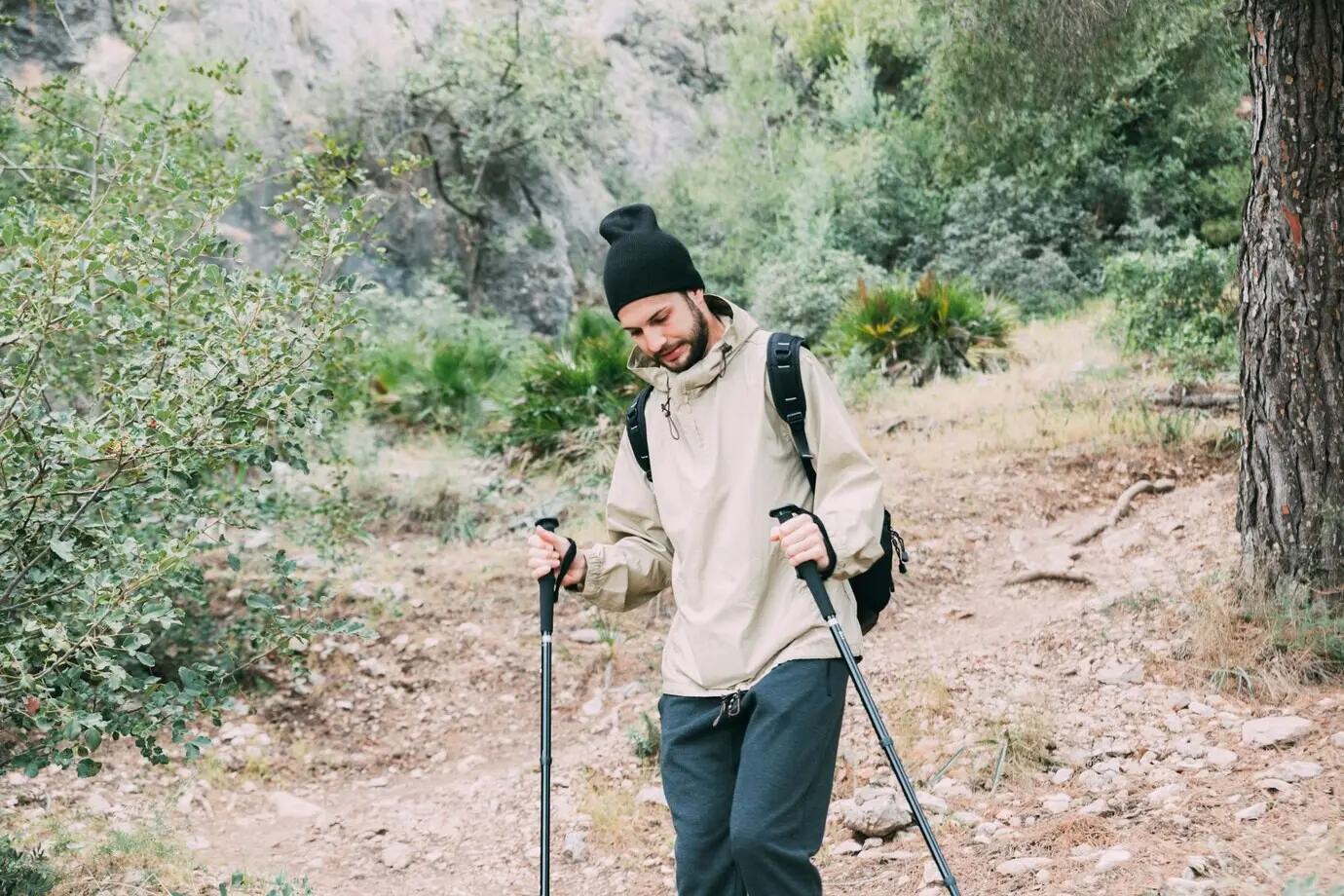
Shared urban environments demand thoughtful habits so every session remains welcome and stress-free. Visibility, predictability, and respect for building policies matter as much as your workout plan. Choose off-peak times, announce your passes clearly, and yield more than necessary. Consider air quality, noise, and lighting during early or late outings. Prepare contingency routes if an area closes unexpectedly, and keep an eye on weather that can make floors slick or stairs hazardous after rain.

Designing Elevation Workouts That Feel Like Trails
Graded Repeats Using Ramps and Gentle Slopes

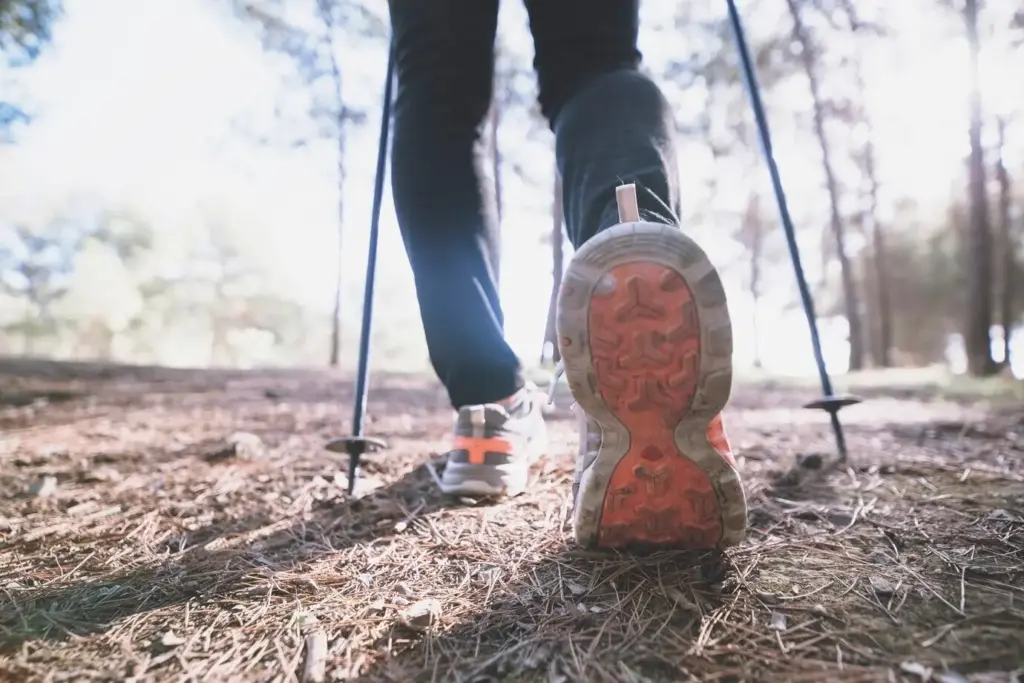
Pick a steady ramp and climb at conversational effort for several minutes, descend relaxed, then repeat slightly longer. Continue until you reach a sustained but manageable breathing pattern. If you track metrics, use heart rate or power only as loose guides, prioritizing smooth form and posture. Keep shoulders relaxed, shorten stride, and drive hips forward. Finish with easy flat jogging or walking to flush fatigue, protecting your next training day and preserving momentum.

Mixed-Terrain Sets that Echo Switchbacks

Combine a stair segment for strength, a ramp for rhythm, and a short embankment for balance in one continuous circuit. Transition patiently between surfaces to maintain form under fatigue. Count floors or flights instead of minutes if distraction helps. Every lap should feel like a miniature trail with changing textures and angles. End with controlled descents, practicing soft landings and gentle braking to keep knees happy. The variety sharpens coordination and mirrors real-world climbing demands.

Long Continuous Ascent Simulations

When preparing for extended climbs, stack several structures in sequence to minimize downtime: two garages, a park staircase, and a bridge approach. Keep effort steady rather than surging. Snack small, sip water, and monitor posture regularly. Aim for cumulative elevation that matches a target route’s first major climb. Finish with a relaxed ride, walk, or jog home to cool down. These sessions build mental patience and muscular endurance essential for mountain days later in the season.

Tools for Mapping, Measuring, and Staying Motivated

Modern mapping platforms and fitness trackers can turn creative loops into clear, repeatable plans. Build custom routes that mark entrances, safe staircases, and exit ramps, and save notes on lighting or traffic patterns. Track vertical gain, heart rate drift, and cadence to refine pacing. Screenshots of elevation profiles help visualize progress. Friendly competitions and badges gamify consistency without pushing unhealthy intensity. The result is a practical, transparent system that grows with your confidence and goals.

Stories from Stairwells, Ramps, and Green Ridges

Personal experiences make urban climbing feel immediate and real. A runner discovering peace in a quiet garage at dawn, a cyclist perfecting steady pressure on a spiraling ascent, a neighbor who overcame knee pain by mastering gentle stair cadence—these moments teach more than metrics. Shared reflections reveal fears, breakthroughs, and clever hacks that save energy. Listening to others’ journeys encourages patience in your own, and reminds us that progress often begins with curiosity and simple steps.

01

How a Garage Helped a Marathoner Find Her Climb

Training for a hilly race in a flat city felt impossible until she discovered a five-story garage with kind attendants and clean, open decks before sunrise. She practiced negative splits floor by floor, easing early, finishing strong. On race day, the dreaded mile-long hill felt familiar, almost friendly. Her lesson: consistency on manageable gradients builds courage. She now shares quiet hello’s with workers, brings treats on holidays, and treats the space with care and gratitude.

02

Sunrise Circuits Through Park Stairs and Grass

A small crew met twice weekly near an old amphitheater, weaving stairs with dew-damp grass loops and smiles. They learned to gauge slippery steps, announced passes kindly, and swapped routes when dog walkers gathered. Over months, everyone’s breath steadied and laughter grew louder. When one member faced a mountain charity hike, the group adapted sessions to longer, gentler climbs, practicing fueling and pacing. Success felt shared, earned by rhythm, patience, and many early, rosy mornings.

03

Ramping Up Confidence on a Spiraling Ascent

A new rider feared heights and tight turns, but gentle laps on a wide ramp changed everything. Starting seated with light pressure, he progressed to standing efforts on the final third of each spiral, timing breaths to corners. He practiced soft braking and hand signals, greeting drivers politely. After weeks, he felt steady and free on rolling roads beyond town. The spiral became a metaphor: round and round, small gains, powerful outcomes, gratitude at the top.

Strength, Mobility, and Recovery for Vertical Days

Building Power Where It Matters Most

Twice weekly, pair step-ups or split squats with calf raises and controlled eccentric descents from a step. Add a light loaded carry to teach posture under fatigue. Keep reps crisp, leaving a little in the tank to preserve freshness for climbing days. Focus on foot alignment and hip drive. Over time, balanced strength yields smoother cadence on stairs and less wobble on ramps, translating directly into confidence and comfort during longer urban ascents.

Mobility That Enhances Footing and Flow

Gentle ankle circles, knee hugs, and hip openers prime your stride before sessions. Post-workout, slow calf stretches and tibialis work restore balance around the lower leg. Practice controlled step-downs to teach joints how to absorb descent forces safely. Sprinkle these micro-routines into daily life—after coffee, before bed—to maintain gains. Mobility is not separate from performance; it is the quiet partner that lets effort feel fluid, precise, and playful even when fatigue whispers loudly.

Recovery Rituals You Will Actually Keep
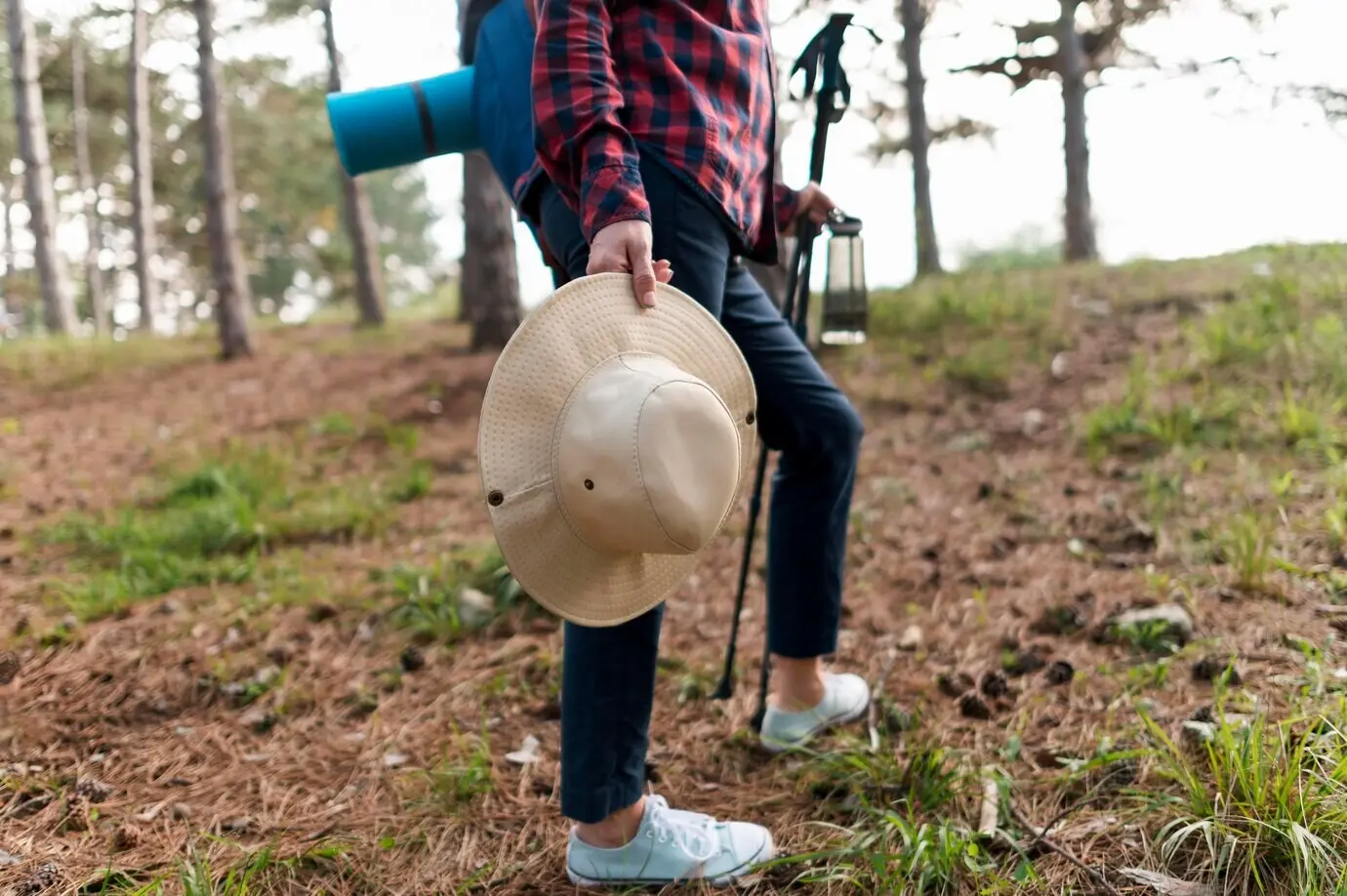
Plan your recovery like a training session: a short walk, a few minutes of breath-focused lying, and a simple meal with carbohydrates, protein, and color. Set a bedtime alarm, not just a wake alarm. Keep a water bottle visible. Jot down one lesson and one gratitude from the session. Small, repeatable rituals build momentum and protect motivation. When recovery feels welcoming instead of burdensome, consistency follows naturally, and climbing improves without drama or burnout.

Create and Share a Local Vertical Map
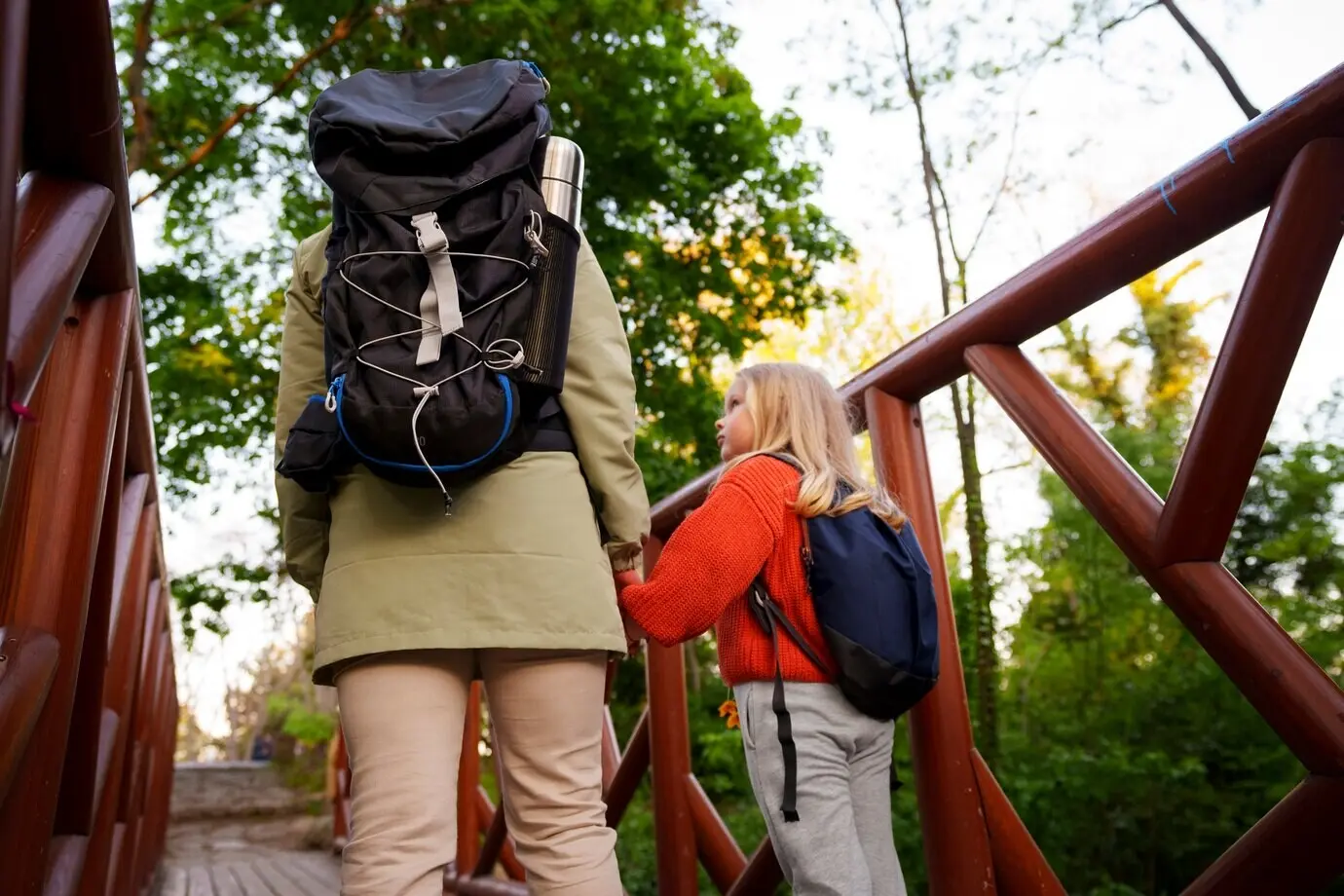
Open a shared map and drop pins for each climb, adding notes on hours, lighting, traffic, and best entry points. Color-code for difficulty and link example loops that combine two or three features. Invite feedback and keep edits transparent. Over time, your community will refine safer approaches, discover new connectors, and unlock longer continuous ascents. The map becomes a friendly guide, lowering barriers for beginners while still challenging experienced climbers to explore creatively.

Host a Welcoming Stair or Ramp Meetup
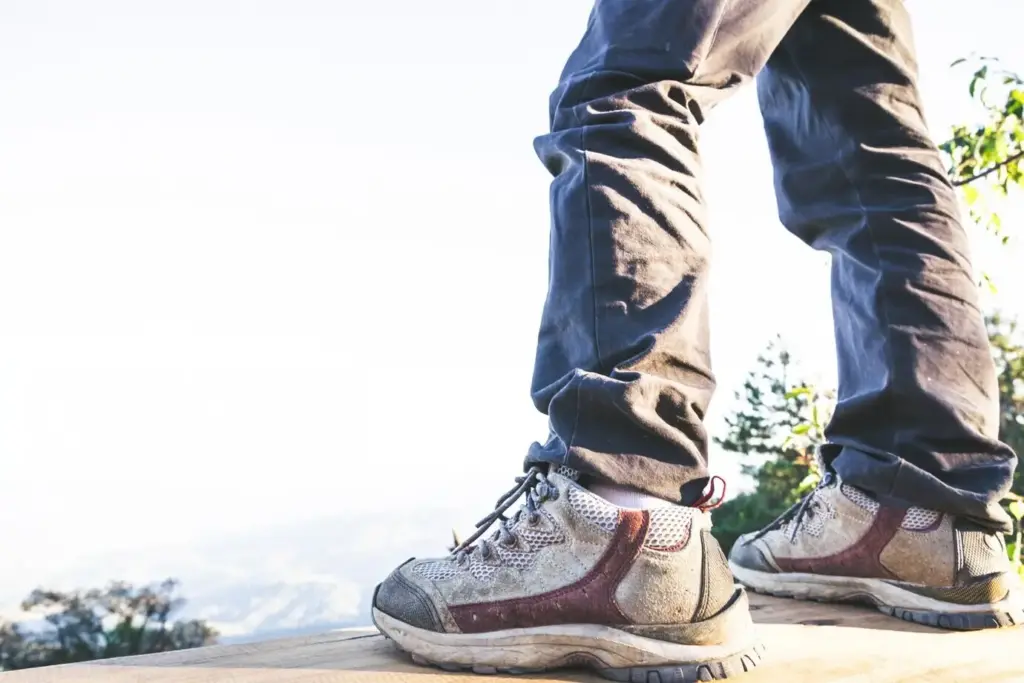
Pick a calm time, define a simple plan, and emphasize courtesy and safety. Offer tiered options—short, medium, long—so everyone has a meaningful win. Encourage reflective gear and quiet voices, especially near residences. Share expectations in advance and celebrate afterwards with high-fives and a group photo. Rotate organizers to keep ideas fresh. These gatherings nurture friendships, spark perseverance, and prove that meaningful climbing can thrive in the middle of everyday city life.
Talveronixa
Privacy Overview

This website uses cookies so that we can provide you with the best user experience possible. Cookie information is stored in your browser and performs functions such as recognising you when you return to our website and helping our team to understand which sections of the website you find most interesting and useful.