Stronger Steps: Safe, Respectful Stairwell Workouts in High-Rises

Today we focus on safety and etiquette for stairwell workouts in high-rise buildings, bringing together practical risk awareness, considerate behavior, and effective training design. Learn how to prepare, move, and share vertical spaces responsibly, protect neighbors’ comfort, and still challenge your fitness with confidence, clarity, and kindness.

Know the Space Before You Sweat

Before lacing up, explore the stairwell like a seasoned traveler. Check access policies, emergency door behavior, camera coverage, and traffic patterns across morning rushes and evening deliveries. A quick conversation with building management can prevent surprises, while a quiet scouting lap clarifies blind corners, slippery treads, and ventilation quirks that influence both safety and neighborly comfort.

Permission, Policies, and Access Rules

Ask management or the concierge whether fitness use is allowed, and under which conditions it remains acceptable. Some buildings restrict door propping, limit access to certain floors, or require fobs that trigger logs. Understanding these details avoids awkward confrontations and strengthens trust, especially when your workouts become a regular occurrence that others notice and appreciate.

Reading the Stairwell Like a Map

Walk the route calmly before pushing pace. Note uneven risers, low-lit landings, sharp turns, and any maintenance issues such as loose nosings or squeaky rails. Observe signage, mirror placements, and visibility through door windows. Treat every landing as an intersection where patience beats speed, especially when residents carry packages, pets, strollers, or fragile items needing gentler passage.

Timing Your Sessions to Coexist

Choose training windows that dodge peak traffic. Early mornings can be quiet, but avoid noisy bursts when neighbors sleep. Lunchtime sprints might clash with deliveries and contractors. A simple pattern shift—like steady climbs during quieter hours—can minimize disruptions while maintaining progress, creating goodwill, and letting everyone use the vertical pathways without resentment or preventable near-misses.

Footwear, Grip, and Load Management

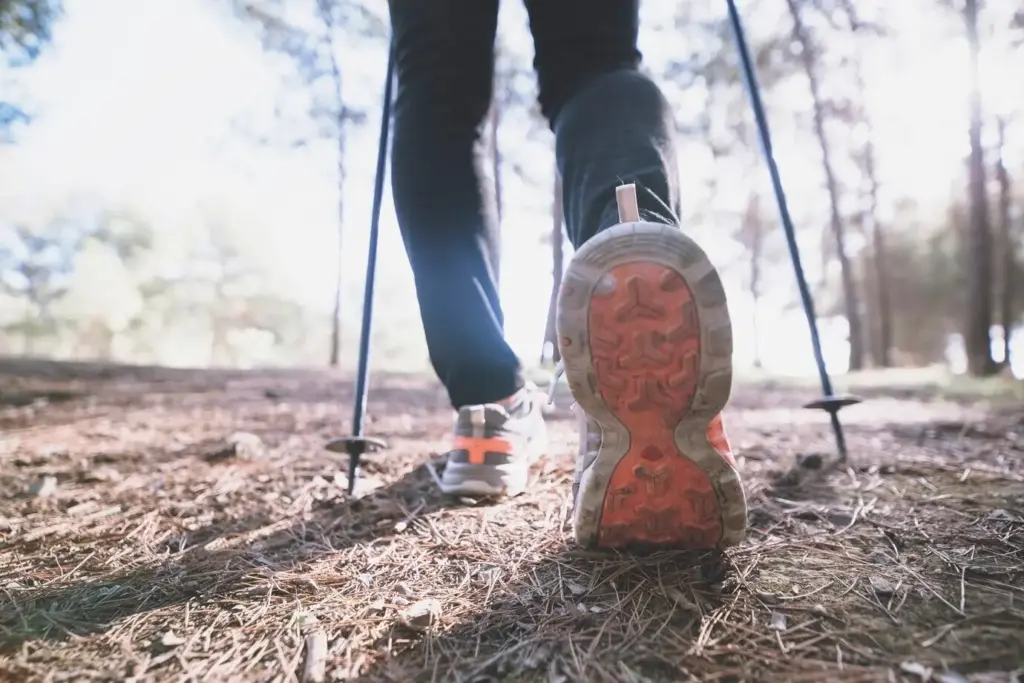
Select shoes with reliable rubber outsoles and supportive midsoles that handle repetitive impact. Skip weighted vests unless allowed and your control is excellent; added load amplifies momentum on descents and strains knees on climbs. Keep hands free, avoid bulky water bottles, and test grip on railings, which may vary with humidity, cleaning residues, or seasonal grit tracked indoors.

Warm-Up and Progressive Intensity

Prime the body with calf raises, ankle circles, hip mobility, and brisk flat walking before tackling steps. Start conservatively, building intensity over successive flights rather than racing immediately. Treat descents like skill drills, emphasizing soft footfalls and controlled cadence. A measured start prevents early lactate panic, reduces mishaps, and sets a sustainable rhythm that respects shared spaces.

Etiquette that Builds Community

Courtesy turns a solitary workout into a shared win. Yield space, moderate noise, and acknowledge residents you encounter. Avoid blocking doors, filming others, or leaving gear on landings. A smile and quick “coming up on your left” cools friction immediately. Your routine becomes welcome background life rather than an intrusion, strengthening community bonds floor by floor and step by step.

Right-of-Way and Passing Protocols

Default to yielding at doorways and tight turns. Announce gently—never shout—when approaching from behind. Pause at landings to let residents pass with strollers or luggage. Keep movements predictable; sudden pivots cause startle reactions and near-collisions. If multiple athletes train together, pass single-file and stagger starts, demonstrating consideration that residents recognize as thoughtful, safe, and consistently cooperative behavior.

Quiet Steps and Sound Consideration

Footfalls echo, especially in concrete shafts. Land softly, avoid stomping, and skip loud music or speakers. Use bone-conduction or low-volume earbuds if headphones are essential. Resist celebratory whoops after hard intervals; save triumph for the hallway exit. Quiet discipline protects neighbors’ sleep, pets’ nerves, and your building’s calm, preserving goodwill that keeps stair training welcome long-term.

Emergency Readiness in Vertical Spaces

Preparation is protection. Know alarm tones, evacuation signage, and the legal status of fire doors. Carry essentials that do not encumber movement, and never block exits with towels or bottles. Share your plan with a friend or concierge when training late. If something goes wrong, calm, clear actions matter more than pace, ego, or that final interval you wanted.

Hygiene and Cleanliness

Managing Sweat and Surfaces

Bring a small towel to catch drips and a pocket-size sanitizer for quick wipe-downs. Target rail sections and push plates most frequently touched. If you notice moisture on steps, pause and dry it immediately. Hygiene is invisible hospitality, signaling care for neighbors’ health while protecting your own grip, confidence, and consistent access to the stairwell environment you value.


What Not to Bring

Bring a small towel to catch drips and a pocket-size sanitizer for quick wipe-downs. Target rail sections and push plates most frequently touched. If you notice moisture on steps, pause and dry it immediately. Hygiene is invisible hospitality, signaling care for neighbors’ health while protecting your own grip, confidence, and consistent access to the stairwell environment you value.

After-Workout Courtesy

Bring a small towel to catch drips and a pocket-size sanitizer for quick wipe-downs. Target rail sections and push plates most frequently touched. If you notice moisture on steps, pause and dry it immediately. Hygiene is invisible hospitality, signaling care for neighbors’ health while protecting your own grip, confidence, and consistent access to the stairwell environment you value.

Program Design for Stair Sessions

Shape workouts that honor both fitness goals and building flow. Favor structured intervals that avoid congested times, with controlled descents and pauses on wide landings. Mix cadence drills, steady climbs, and gentle mobility to protect joints. Keep sets measurable but flexible, adapting instantly when residents appear. Sustainable design serves progress, safety, and enduring neighborly cooperation simultaneously.

Engagement and Building Culture

Help your building welcome active living by communicating openly and inviting collaboration. Introduce yourself to staff, share your schedule, and respond to concerns promptly. Consider a brief etiquette guide posted with approval. Encourage neighbors curious about movement to join a beginner-friendly climb. Your energy can spark a supportive, safe, and joyful stair culture that lasts for years.
Talveronixa
Privacy Overview

This website uses cookies so that we can provide you with the best user experience possible. Cookie information is stored in your browser and performs functions such as recognising you when you return to our website and helping our team to understand which sections of the website you find most interesting and useful.